
SIBO Treatment in Toronto
A naturopathic and functional medicine approach to gut microbiome imbalances
Persistent bloating, gas, abdominal pain, or unpredictable bowel movements? You may have SIBO — Small Intestinal Bacterial Overgrowth — one of the most common and most overlooked causes of IBS. Studies show up to 84% of people with IBS test positive for SIBO.
I'm Dr. Laura Brass ND, a Toronto-based naturopathic and functional medicine doctor with over 17 years of experience helping patients resolve complex digestive issues. My approach starts with understanding your full health story before recommending testing or treatment — because no two SIBO cases are identical.
What is SIBO?
SIBO (Small Intestinal Bacterial Overgrowth) is a condition where bacteria that normally live in the large intestine grow excessively in the small intestine, where they don't belong. This bacterial imbalance disrupts digestion, causes uncomfortable symptoms, and is one of the most common — and most missed — root causes of IBS.
When it Isn’t SIBO
And when SIBO isn't the answer, it's almost always another form of microbial overgrowth. In most of the patients I see with IBS and persistent digestive issues, the root cause is some kind of imbalance in the gut microbiome — and SIBO (bacterial overgrowth) is just the most common form. Other forms include:
Fungal or mold-related — SIFO (Small Intestinal Fungal Overgrowth) or candida overgrowth
Parasitic
A combination of two or more
Each type requires its own testing approach and its own treatment plan. This is why a thorough investigation matters far more than jumping into a one-size-fits-all protocol.
Common Symptoms of SIBO and Gut Microbiome Imbalances
Patients usually experience some combination of:
Bloating, especially after meals
Excessive gas (with or without odor)
Abdominal pain or cramping
Diarrhea, constipation, or alternating between the two
Acid reflux or heartburn
Nausea
Food sensitivities that seem to multiply over time
Brain fog and fatigue
Skin issues (acne, rosacea, eczema)
Joint pain
Unintentional weight changes
If you've been told you have IBS but your symptoms haven't improved with diet changes alone, an underlying microbiome imbalance is one of the most common reasons why.
Why SIBO Is Often Missed
Conventional GI workups frequently overlook SIBO because:
Standard endoscopy and colonoscopy don't detect it
Many doctors aren't familiar with SIBO breath testing or its interpretation
Symptoms overlap with IBS, GERD, food intolerance, and anxiety
Effective treatment requires a combined approach — testing, targeted antimicrobial therapy, dietary support, and addressing the underlying cause
This is where a functional medicine and naturopathic approach can fill the gap that conventional care often leaves open.
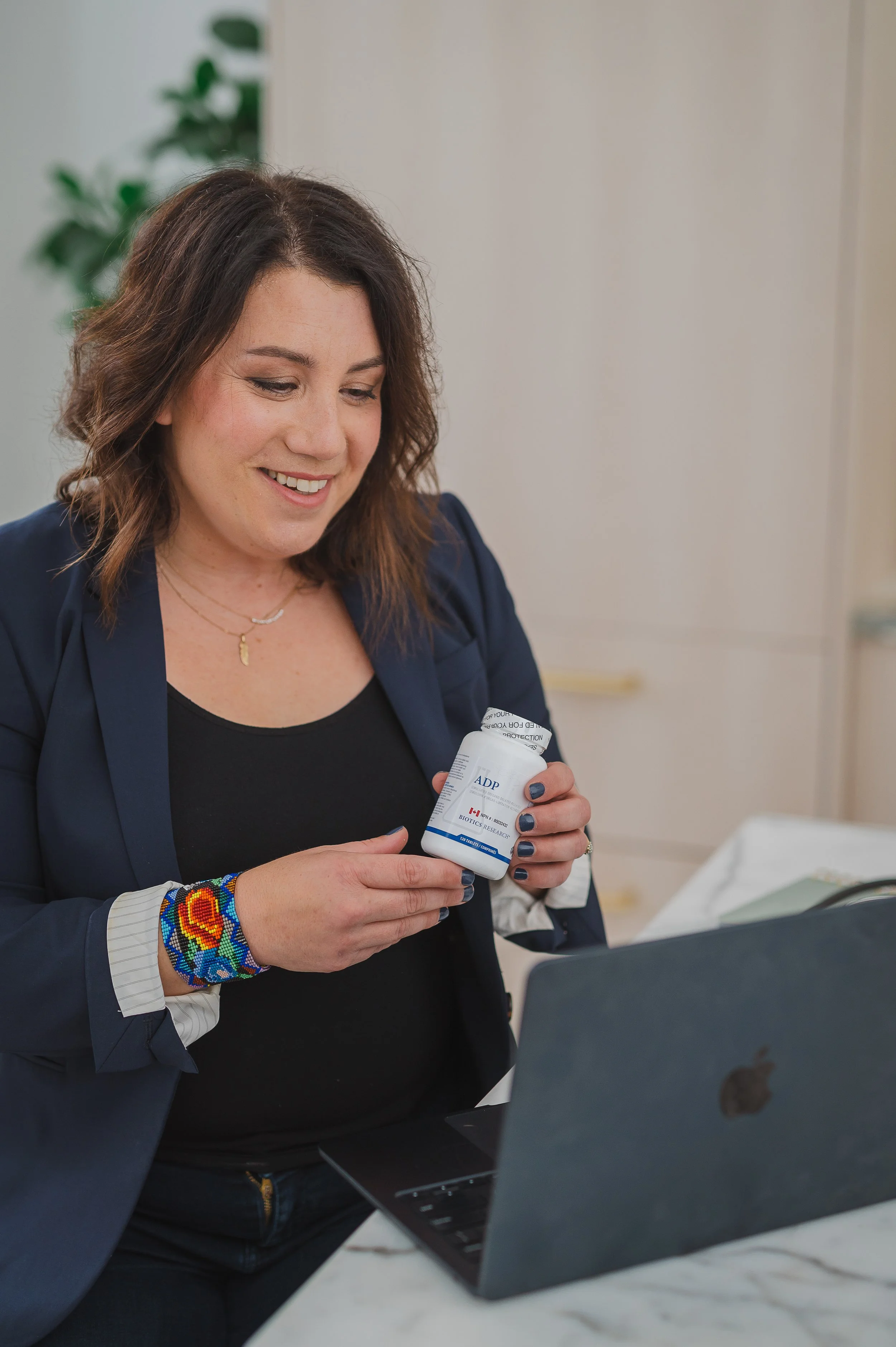
My Approach to SIBO Treatment
Every patient starts with a thorough case review. I take the time to understand:
Your full medical history, including past treatments and what has or hasn't worked
Your symptom pattern, timing, and triggers
Your diet, lifestyle, sleep, and stress levels
Any related conditions — autoimmune, hormonal, nutritional
From there, I connect the dots and recommend a clear next step - usually targeted testing, a treatment protocol, or both. This is the part most rushed appointments skip, and it's also the part that determines whether treatment actually works.
Treating SIBO without first understanding the type of overgrowth you have is one of the most common reasons SIBO treatment fails or relapses.
How I Test for SIBO and Microbiome Imbalances
Testing is recommended based on your individual case, not ordered as a default panel. The most common tests in my practice include:
Comprehensive Stool Analysis (GI-MAP or similar)
Looks at bacterial, fungal, and parasitic markers across the entire digestive tract. Useful for identifying overgrowths SIBO testing alone may miss.
Organic Acids Test
Assesses metabolic byproducts that suggest fungal or yeast overgrowth — especially valuable when symptoms suggest SIFO or candida involvement.
SIBO Breath Test
Measures hydrogen, methane, and hydrogen sulfide gases produced by overgrown bacteria — and identifies which type of overgrowth you have. The type of gas matters because it determines which treatment will work.
Targeted Food Sensitivity Panels
Used selectively when symptom patterns suggest food-related triggers, not as a default first step.


What SIBO & Microbial Imbalance Treatments Look Like
A typical treatment journey moves through four phases. The exact protocol varies by case. Most patients see meaningful symptom improvement within 8–12 weeks. Recurrent or chronic cases can take longer, especially when motility, structural, or autoimmune issues are involved.
Investigation
Comprehensive case review and targeted testing to identify the type of overgrowth and any contributing factors.
Eradication
Herbal antimicrobials or, in some cases, prescription antibiotics. The choice depends on your test results, history, and preferences.
Repair & Restore
Healing and supporting the integrity of the gut lining, and repopulating health gut flora.
Prevention
Addressing the underlying cause that allowed SIBO to develop — motility issues, low stomach acid, structural concerns, chronic stress, or post-infection patterns. Without this step, SIBO often returns.

Why Patients Chose to Work With Me
17+ years of clinical experience as a Naturopathic Doctor
15+ years of focused clinical work in gastrointestinal health
Certified Functional Medicine Practitioner (Institute for Functional Medicine)
Trained at the Canadian College of Naturopathic Medicine; BSc in Anatomy & Cell Biology, McGill University
Virtual consultations available
Patients across Toronto, the GTA, Ontario, and worldwide
Frequently Asked Questions
-
While SIBO is most commonly assessed using a breath test that measures gases produced by bacteria in the small intestine, I often find that a comprehensive stool analysis and/or an organic acid test can provide broader and more clinically useful insight into overall gut health and the microbiome. Your symptom pattern, health history, and physical exam can also offer important clues, making a consultation the best place to start.
-
Most patients see meaningful symptom improvement within 8–12 weeks. Recurrent or chronic cases can take six months or longer.
-
Diet plays a supportive role in SIBO treatment, but a strict elimination diet long-term is rarely necessary. My focus is on identifying which foods trigger your symptoms (if any) and helping you build a sustainable eating pattern that supports gut healing - not restriction for restriction's sake.
-
Yes - SIBO has one of the highest recurrence rates of any gut condition. That’s why my approach focuses on identifying and addressing the underlying drivers, rather than simply clearing the bacterial overgrowth. Once your digestive concerns have improved, I also incorporate strategies to help support long-term gut health and reduce the likelihood of recurrence.
-
Yes. I see patients across Toronto, the GTA, Ontario, and worldwide via secure video consultations. Virtual care is just as effective as in-person for most SIBO cases.
-
Most extended health insurance plans in Ontario cover naturopathic medicine. You'll receive a receipt to submit for reimbursement after each appointment.
-
Conventional GI care is excellent for diagnosing structural issues like ulcers, polyps, and inflammatory bowel disease. My approach is designed for people whose conventional workup has come back "normal" but whose symptoms are still present. I look for functional imbalances - overgrowths, motility issues, and microbiome disruptions -that standard testing often misses.
Ready to Find the Root Cause?
If you're tired of guessing, eliminating foods, or being told your bloodwork is normal while your symptoms continue, working together might be the right next step.
Book a consultation to start the investigation and find out what's actually driving your symptoms.